
Automotive CNC Machining Services
XTJ CNC delivers precision automotive CNC machining for engine, drivetrain, and EV components. We machine metal and plastic automotive parts to tolerances as tight as ±0.003 mm, from a single prototype to production batches with no MOQ. As an IATF 16949 and ISO 9001 certified partner, we hold the repeatability automotive programs demand.
The Role of CNC Machining in Automotive Production
CNC machining turns automotive designs into accurate, production-ready metal and plastic parts. It cuts lead time, holds tight tolerances part after part, and lowers the risk of costly rework before a program scales. We machine cnc automotive parts for everything from prototype validation through full production runs.
Process highlights:
- DFM review on every quoted part
- 3-axis to 5-axis CNC machining
- ±0.003 mm tolerances, CMM-inspected
- Prototype to production with no MOQ
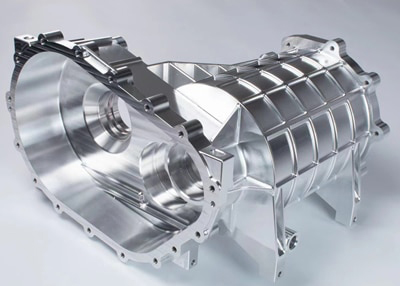
These parts, which open and close sections of an assembly line to allow material to be transported, can easily be cut out of metal by CNC tools. They are often found on conveyor belts.
Mirrors
While the mirror assembly was once made using manual methods, this process has been largely replaced by CNC machining. This is possible because CNC machinery, with its ability to precisely cut the glass and assemble the components, can be used to create the best quality parts.
Engine Blocks
Engine blocks are machined to increase the efficiency of an engine. This process, which involves creating perfect surfaces by cutting and forming the material, can be easily be carried out by CNC machines.
Cylinder heads
CNC machining is a technology that is used to create precise and intricate parts from a variety of materials. When it comes to machining cylinder heads, this technology offers several advantages over traditional methods.
Camshafts
Camshafts are used in order to accurately tune the speed of an engine. Camshafts are CNC machined to ensure that they are precisely accurate.
Connecting rods
CNC machines are utilized in order to create precision machined connecting rods. These cylinders are used to ensure that the engine components are held together firmly.
Our Automotive CNC Machining Processes
XTJ CNC machines your automotive parts across every program phase, from first article to production. Each process is matched to your material, tolerance, and volume, so you get the right part at the right cost.
The processes below cover the automotive CNC machining work we run most often. We also CNC machine precision components for automotive fuel cell assemblies and EV battery housings.
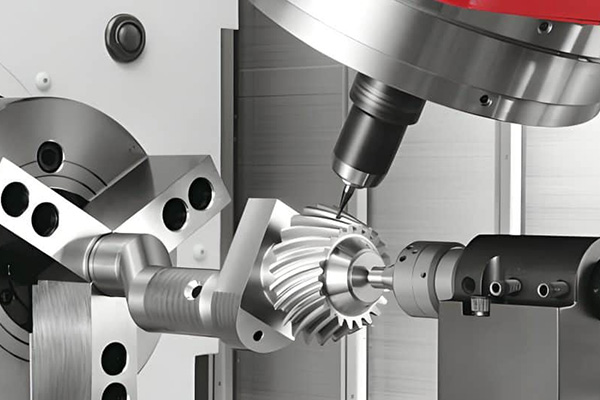
CNC Milling
Machines complex automotive parts on 3-axis to 5-axis mills with tight repeatability.
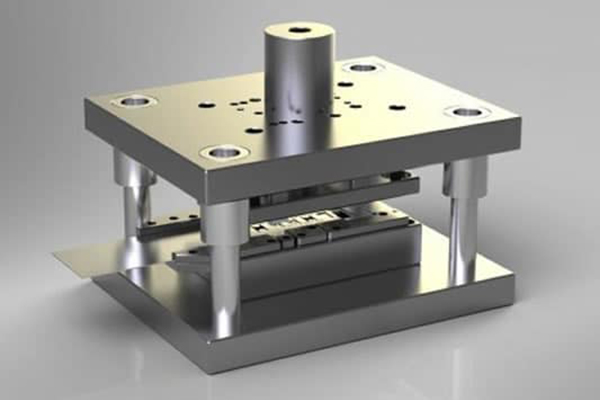
CNC Turning
Produces shafts, hubs, and round automotive components on precision CNC lathes.
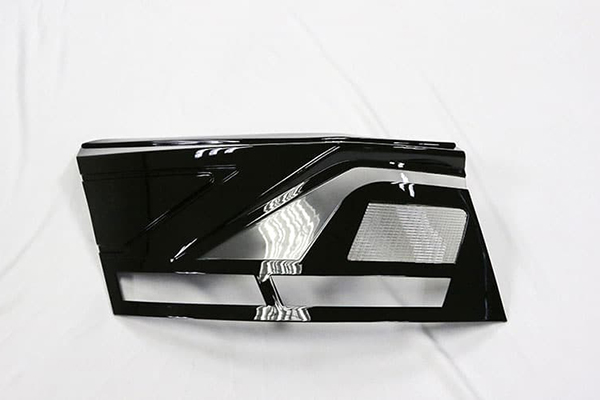
5-Axis Machining
Cuts intricate geometries in one setup for tighter tolerances and faster delivery.
CNC Machines We Run for Automotive Parts
We run a range of CNC machines for the automotive industry, including lathes, milling machines, and routers. Each machine produces specific automotive parts, from engine components to body panels.
The CNC machines we use for automotive part CNC machining include:
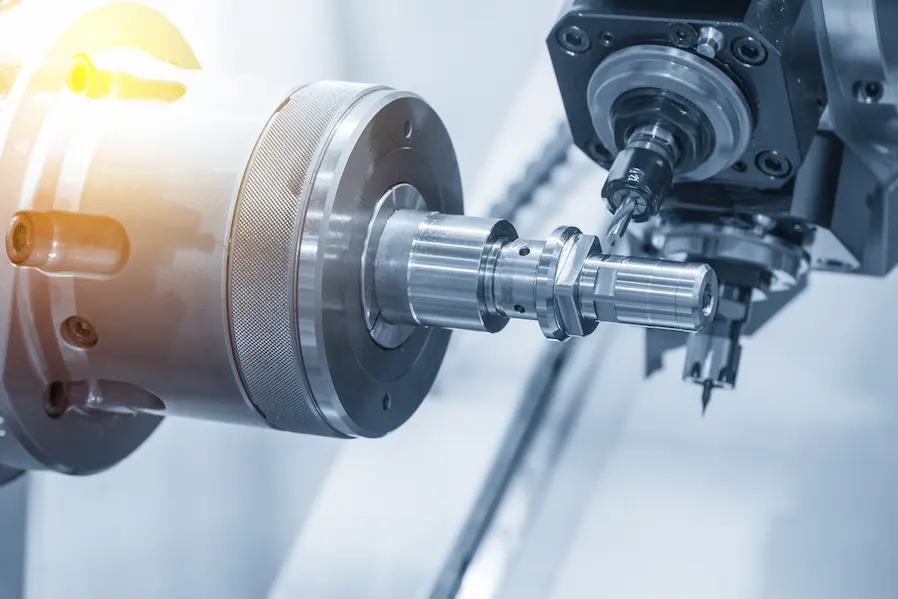
CNC lathes are used extensively in the automotive industry for a variety of machining operations. They are especially well-suited for manufacturing high-precision parts with complex geometries. Depending on the model, a CNC lathe can handle long lengths of up to 10m.
Mills
Many parts for cars and trucks are produced using CNC mills. These machines are capable of creating various metal products, such as parts for a car engine or transmission. These parts include engine blocks, cylinder heads, gears, and suspension components. CNC mills are also used to cut and shape metal parts for air conditioners, cars, cranes, and dump trucks.
Routers
CNC routers are used in the automotive industry for a variety of applications, including trimming and routing car body panels, cutting and shaping engine parts, and milling and drilling wheels. CNC routers can be used in vertical and horizontal positions, and they are versatile enough to cut complex shapes.
Benefits of Using CNC Machining in the Automotive Industry
CNC machining is a cost-effective and time-saving method of manufacturing in the automotive industry. CNC machining can offer many benefits in the car industry including improved accuracy, repeatability, and consistency of parts, as well as increased efficiency and productivity. CNC machining can also help to reduce waste and improve the overall quality of parts.
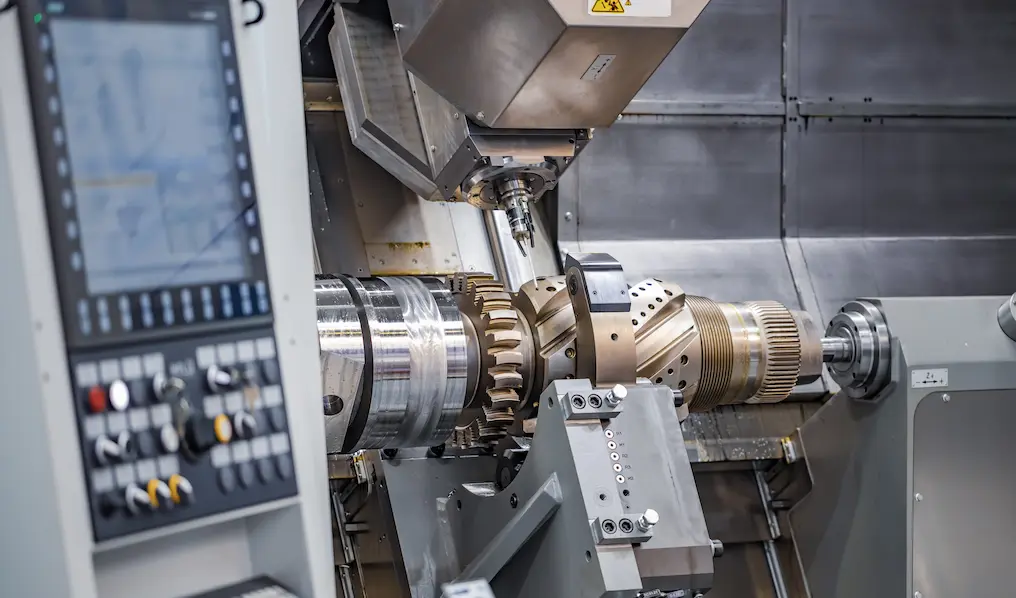
CNC machining offers repeatability and accuracy that is unmatched by manual machining. When a part is produced using CNC machining, the same process is used each time the part is made. This ensures that each part is identical to the last.
Reduced setup time and lead time.
CNC machining automotive parts is an efficient way to reduce setup time and lead time. The process of CNC machining can be completed in a single setup, which reduces the need for multiple setups and lead times associated with traditional machining methods.
Increased productivity.
CNC machining is a process that can be completely automated. This means that once the machine is set up, it can run without any human intervention. This increases productivity because the machine can run for longer periods without needing to be monitored.
Reduced scrap and rework.
CNC machining can be used to reduce scrap and rework by creating a more precise product. When products are machined using CNC technology, they are produced with a higher degree of accuracy. This means that there is less room for error and that products are less likely to be rejected or require rework.
Increased flexibility and versatility.
The traditional methods of making car parts are generally not very flexible or versatile. This means that they are often unable to produce parts in the exact sizes and shapes that you need. CNC machining allows you to produce many different types of products and parts, which can be designed with a high degree of precision.
Reduced labor costs.
Machining car parts using CNC reduces labor costs. CNC machining can be done by a single operator, thus reducing the labor cost.
Automotive Machining Services at XTJ CNC
XTJ CNC is a precision automotive CNC machining partner with 20+ years of experience and IATF 16949 certification. We machine high-quality automotive components at competitive prices, backed by CMM inspection and full traceability. This service is one part of our broader automotive parts manufacturing.
Quality that lasts
We use state-of-the-art CNC machining technology to ensure that your parts are fully functional and of the highest quality.
Speed and time-effective
Our machine is designed to minimize cutting time and ensure precision, so you can get your parts back faster. We will always provide you with the best service for your money, with no compromises on quality.
Customizable design
We offer a variety of design options for you to choose from, so you can have your part manufactured exactly according to your needs and specifications. We also offer customization services, so you can have a unique product with your own personal touch.
Start Your Project With A Free Quote
If you’re looking for a reliable partner to help you get your precision machining project off the ground, look no further than us. We have a long history of providing precision machining services to clients in a wide range of industries. Let us put our experience to work for you and start your project off on the right foot.